
2025 Food Reviews Among Young Adults
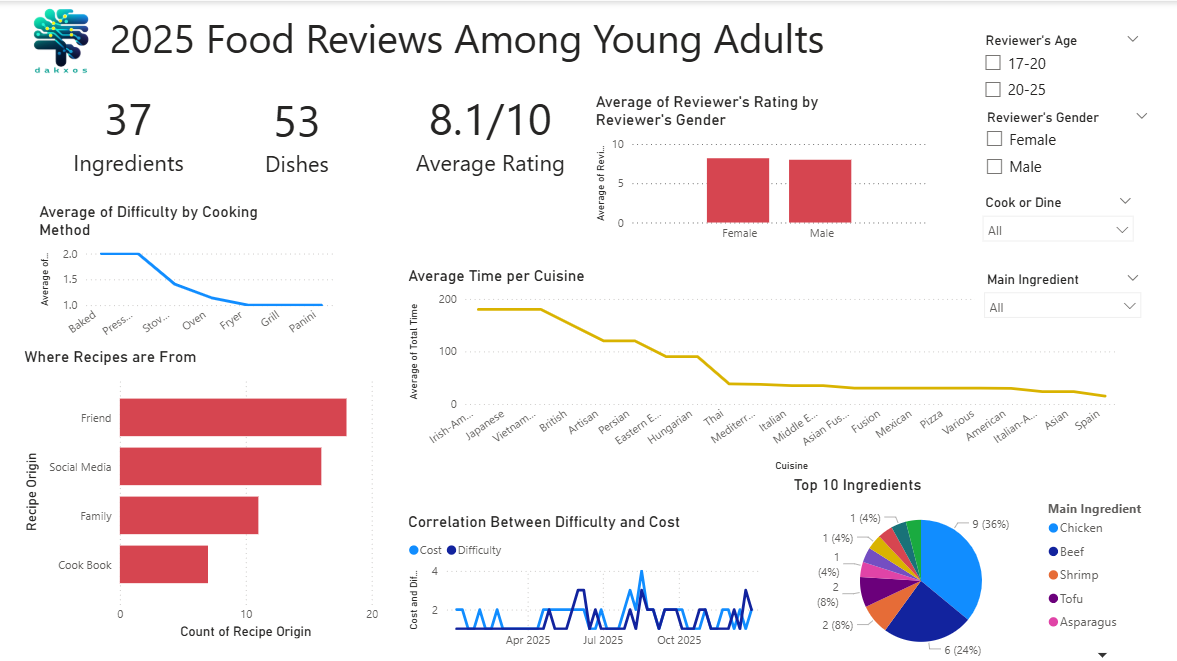
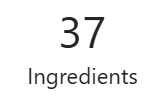
This dashboard analyzes food review data from young adults to identify trends in ingredients, cuisines, cooking behavior, and reviewer preferences. At a high level, the dataset includes 37 distinct ingredients across 53 dishes, with an overall average rating of 8.1 out of 10, indicating generally positive experiences.
Ingredients:
The ingredients KPI shows that the dataset includes 37 distinct ingredients, indicating a wide variety of inputs used across dishes. This level of diversity suggests flexibility in recipe creation, but it may also introduce complexity in sourcing and consistency, pointing to an opportunity to streamline ingredients around the most popular options.

Dishes:
The dishes KPI indicates a total of 53 unique dishes, reflecting a broad menu offering. While this variety helps appeal to different preferences, it may dilute focus, suggesting that narrowing attention to the most well-received dishes could improve efficiency and overall satisfaction.

Average Rating:
The average rating of 8.1 out of 10 demonstrates strong overall approval from reviewers. This high score suggests the current recipes are well received, but incremental improvements—such as optimizing cooking time or cost—could help push satisfaction even higher.
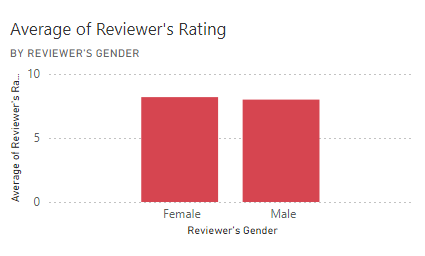
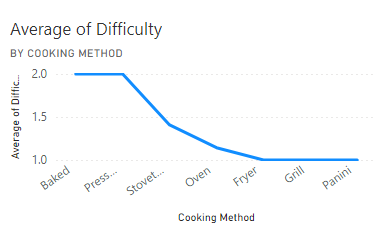
The data shows how difficulty varies by cooking method, with baked and pressure-cooked dishes rated as more difficult, while grilled and panini-style meals are easier on average. The average rating by gender chart shows that both male and female reviewers rate dishes similarly, suggesting consistent satisfaction across genders.
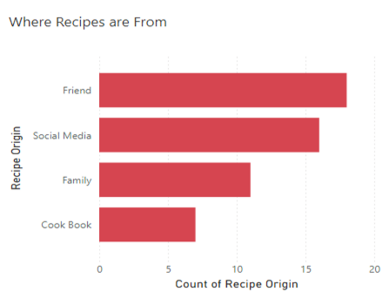
Cuisine-based analysis highlights differences in average preparation time, with some cuisines requiring significantly longer cooking times than others. Demographic insights reveal that female participants, especially ages 17–20, are more likely to find recipes through social media, while males tend to rely more on cookbooks, particularly in the same age group. This suggests generational and gender-based differences in how recipes are discovered.
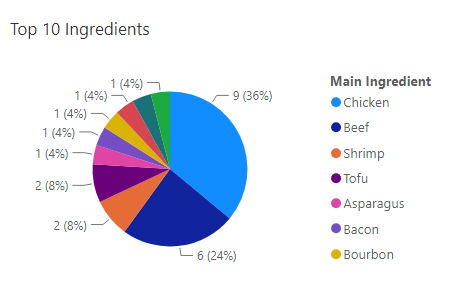
Ingredient analysis shows that chicken, beef, and shrimp are the most used main ingredients, making up a large portion of the dataset. Finally, the cost and difficulty comparison suggests that more difficult dishes do not always cost more, indicating that complexity and expense are not strongly tied.
Summary:
Overall, the dashboard provides a clear view of how age, gender, cuisine, and cooking choices influence food preferences and experiences among young adults.
Real Solutions:
To improve engagement and satisfaction, recipe platforms should prioritize quick, affordable meals featuring popular ingredients like chicken, while continuing to leverage social media as a primary way to reach younger users, especially women ages 17–20.
The dataset and PowerBI visualizations can be shared upon request.